
Reflexology
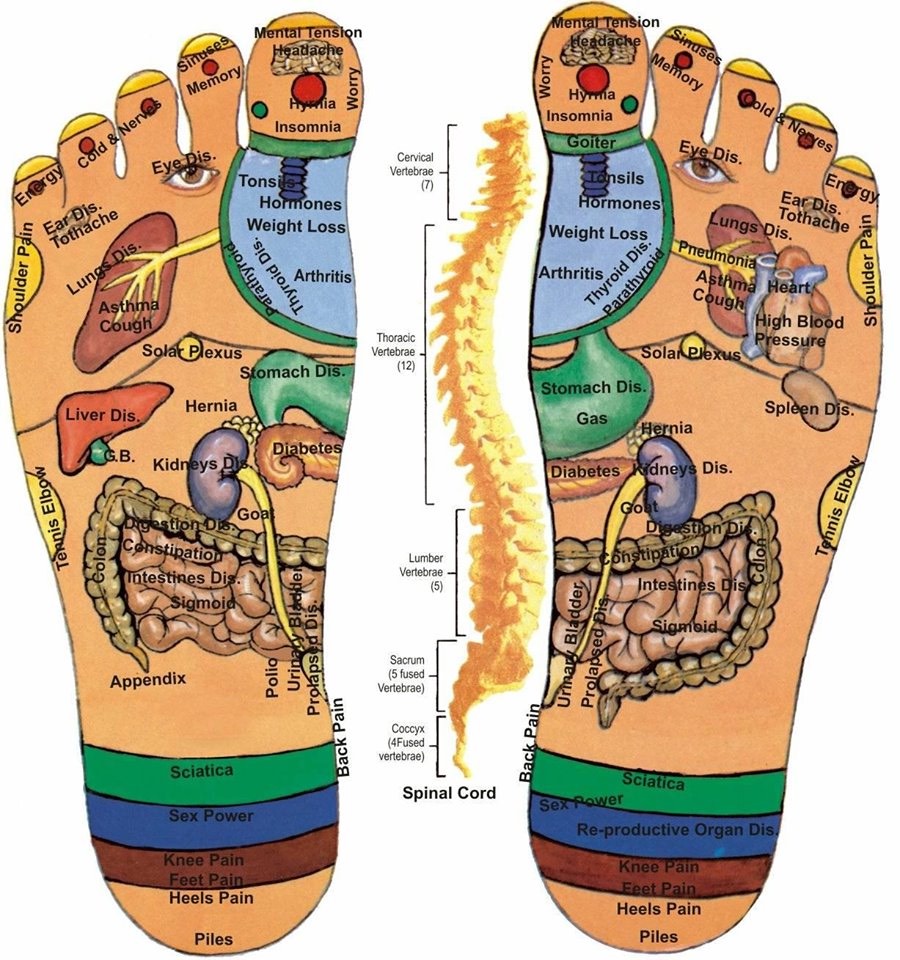
With an estimated 100 to 200 thousand exteroceptors in the sole of each foot, your feet are among the most nerve-rich parts of your body. Reflexology is a non-invasive complementary health therapy, based on the theory that the entire body is mirrored in the feet and hands.
More Information below…
What is Reflexology?
With an estimated 100 to 200 thousand exteroceptors in the sole of each foot, your feet are among the most nerve-rich parts of your body. Reflexology is a non-invasive complementary health therapy, based on the theory that the entire body is mirrored in the feet and hands. The reflexologist applies special techniques and pressure to the hands and feet and is then able to discover deposits under the skin which correspond to an issue within the body or a blockage in the energy flow. Reflexology aims to increase blood flow and to help remove congestion in the body. This helps the body to rebalance and heal itself by improving and optimising your physical, emotional and spiritual wellbeing.
History of Reflexology
Reflexology dates back thousands of years to ancient Egypt, China and India. There has been evidence found in The Physician Tombs of Egypt around 25000 BCE of a wall carving that demonstrates practitioners pressing the hands and feet of two other people.
In Tibet around the seventh century there is written medical texts which illustrate points of the body which are believed to be important to the flow of energy known as vital energy points. In China and Japan there is footwork traced to 4000 years ago, documented in The Yellow Emperors Book of Internal Medicine about 12 energy pathways located throughout the body and vital energy points.
In Europe in the late 15th century, zone therapy was first written and practiced by people for selfcare and by physicians healing the wealthy to relieve stress and pain. Zone therapy is claimed to have derived from Chinese medicine. In England around the late 18th century Sir Henry Head concluded that a relationship between the skin and the internal organs existed and named this “Heads Zones”. In the 19th century Dr William H. FitzGerald an ear, nose and throat specialist was accredited for introducing zone therapy to the American medical profession he documented that there are 10 longitudinal zones in the body, 5 on either side.
In the 1940s Eunice Ingham narrowed the reflexes to the feet and perfected the finger, thumb and hand techniques naming them reflexology. She is known as the “mother of reflexology”.
What to expect from reflexology
Reflexology is a Therapy that is suitable for any age. It is a unique treatment in the health field. Its purpose is not to diagnose any specific medical disorder, but to promote better health and well being.
Reflexology is an individual treatment tailored to you. All areas of the foot are worked, but particular attention is given to any imbalanced areas.This technique improves blood lymph and nerve circulation, in turn the body relaxes, and the organs and glands are balanced.
The skilled application of these precise techniques treats the whole person, stimulating the body’s own healing potential.
After treatment clients usually feel wonderfully relaxed and less tense (many people fall asleep during treatment). You may feel further positive changes, such as, sleeping better and an improved mood and sense of wellbeing.
Think of it as an MOT for your body and mind!
A 45 minute treatment is recommended to ensure all reflexes are worked effectively
Reflexology can be beneficial for many ailments, including:
- Migraine/ headaches.
- Respiratory conditions including bronchitis
- Insomnia
- Fertility
- PMS and menopausal problems
- Irritable bowel syndrome (IBS)
- Chronic fatigue
- Stress, anxiety and depression
- Skin conditions including eczema
- Relaxation and wellbeing
- Back pain
